
 King
King 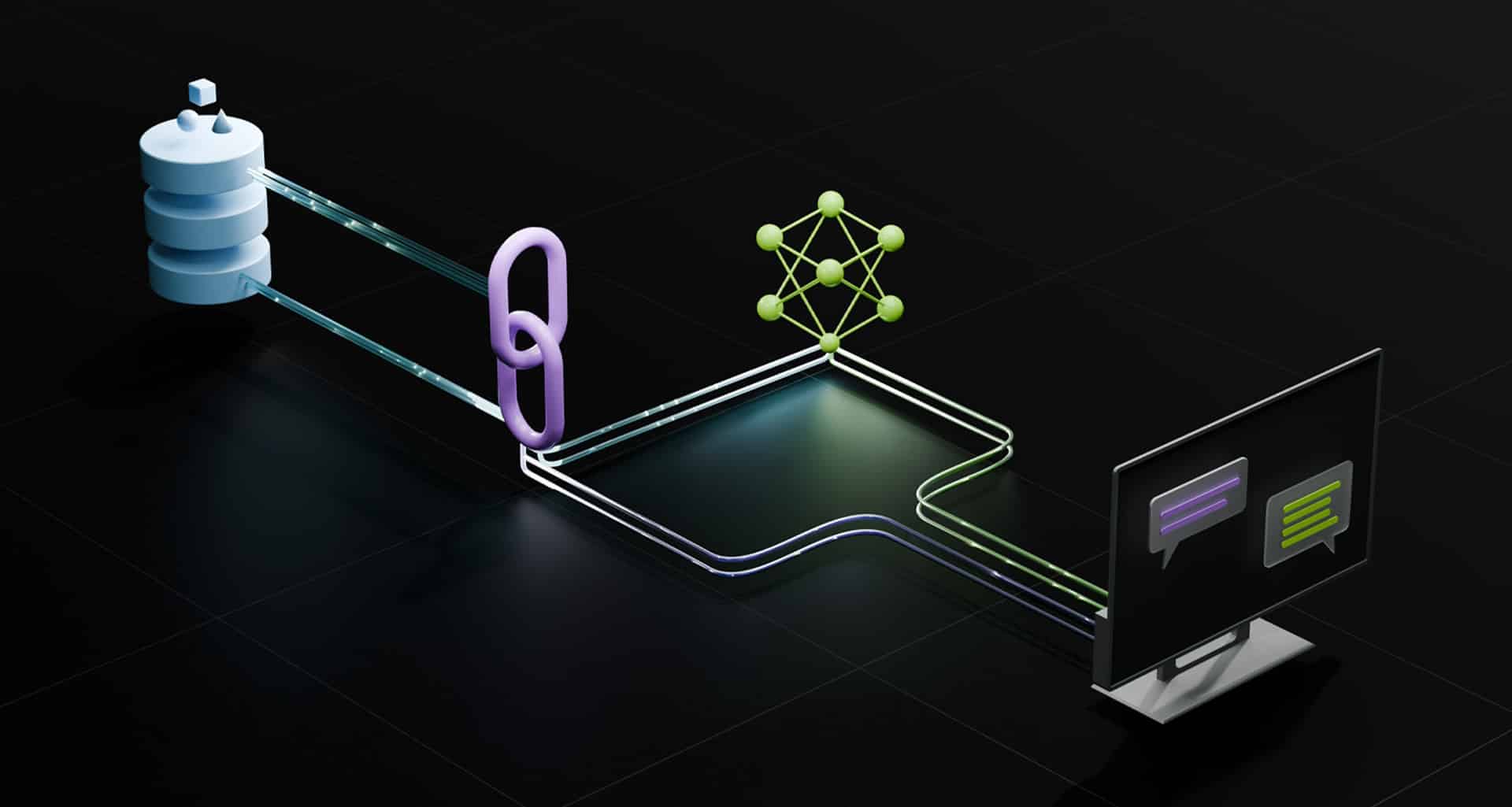
Artificial Intelligence has made significant strides in understanding and generating human-like language, but one limitation has persisted—traditional language models rely solely on the data they were trained on. Retrieval-Augmented Generation (RAG) is a breakthrough framework designed to address this limitation by blending language generation with real-time information retrieval.
This approach allows AI systems to produce more accurate, contextual, and up-to-date responses, making it particularly valuable for enterprise applications, customer service platforms, search engines, and knowledge assistants.
What Is Retrieval-Augmented Generation?
Retrieval-Augmented Generation is a method where an AI model retrieves relevant information from external sources before generating a response. Instead of only relying on its internal training, the model references authenticated data repositories such as knowledge bases, documents, websites, or databases.
The process works in two core steps:
-
Retrieval:
Relevant documents or data are fetched based on the user query.
-
Generation:
The AI uses both the retrieved data and its reasoning ability to create accurate, contextual output.
This makes RAG systems significantly more reliable than standalone language models, particularly when facts, compliance, or up-to-date knowledge are required.
Why RAG Matters
1. Reduces Hallucination
Traditional models may produce answers that sound correct but are factually wrong. RAG reduces this risk by grounding responses in authoritative sources.
2. Enables Dynamic Knowledge Updating
Since the retrieval component can pull from evolving data sources, there is no need to constantly retrain the entire model to stay current.
3. Improves Trust and Accountability
In industries such as healthcare, finance, customer support, and legal services, being able to cite or trace information origins enhances trust and compliance.
How RAG Works in Practical Applications
-
Customer Support and Contact Centers
RAG enables AI assistants to pull real-time policy updates, troubleshooting steps, or product information from internal knowledge bases. Instead of static responses, customers receive accurate, scenario-specific guidance.
-
Enterprise Search and Knowledge Assistants
Employees can ask questions and receive answers sourced from manuals, reports, helpdesk documentation, or policy libraries, improving efficiency and decision-making.
-
Regulated Industries
Banks, insurers, and healthcare organisations use RAG to ensure AI outputs reflect approved language, terms, and compliance standards.
-
Research and Education Platforms
RAG-driven systems can summarize academic sources, cite references, or synthesize insights across thousands of documents in seconds.
Key Benefits
- Higher accuracy and context relevance
- Reduced misinformation risk
- Scalable knowledge enhancement without retraining
- Ability to cite or validate responses
Challenges to Consider
While powerful, RAG requires strong document indexing, retrieval accuracy, and source quality. Organizations must ensure data governance, access controls, and proper maintenance of knowledge repositories for the system to perform effectively.
Conclusion
Retrieval-Augmented Generation represents a major step forward in AI reliability and usefulness. By combining knowledge retrieval with intelligent reasoning, RAG delivers fact-aware, explainable, and adaptable responses. Whether powering chatbots, agent assist tools, enterprise search, or educational systems, it transforms AI from a static knowledge generator into a dynamic problem-solver grounded in truth.
As organizations increasingly rely on AI for decision support and customer engagement, RAG stands out as a foundational technology for building systems that are smarter, safer, and consistently aligned with verified knowledge.